What Is Platelet-Rich Plasma and How Does It Work?
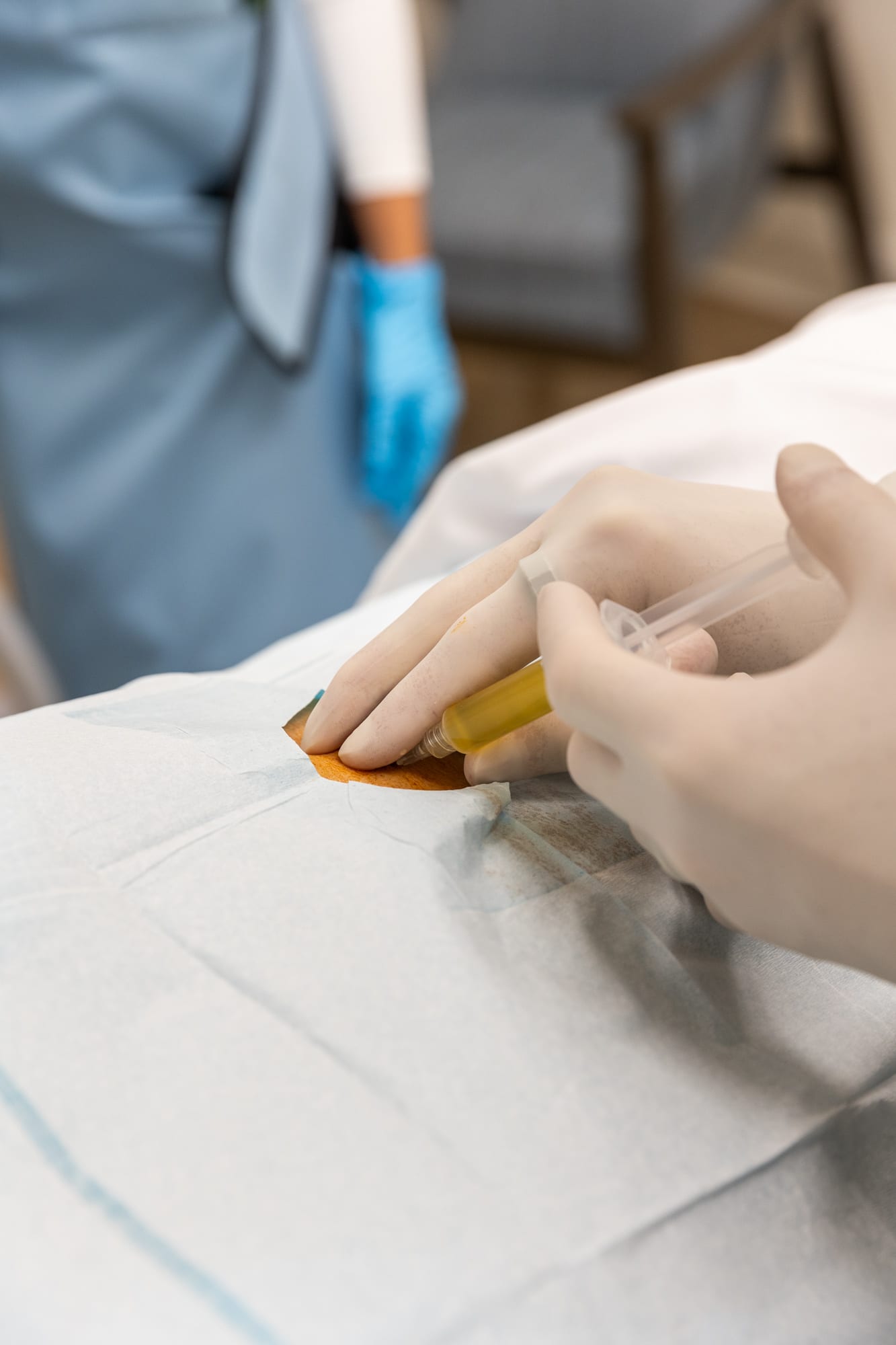
Platelet-Rich Plasma is a concentration of your body's own healing proteins. Platelets carry growth factors that signal tissue repair. A standard platelet-rich plasma injection delivers that concentrated signal straight to a tendon tear, arthritic joint, or inflamed bursa. Because the material comes from your own blood, rejection risk is essentially zero.
The science behind PRP is straightforward. Your body already knows how to heal. Platelet-Rich Plasma Therapy gives it a stronger, more targeted dose of the same biological signals it uses naturally. That's why PRP works well for conditions that haven't responded to physical therapy or cortisone alone.
PRP Injections vs. Conventional Cortisone Shots
Cortisone reduces inflammation fast, but it doesn't repair tissue. Repeat cortisone injections can actually weaken tendons and cartilage over time. PRP injections take a different approach. Instead of masking the problem, they push the injury site toward actual structural repair.
For patients who want to avoid surgery, PRP treatments often fill the gap between conservative care and the operating table. Dr. Joye frequently combines PRP with other regenerative options available at Intervene MD, including joint injections and body composition support, to give each patient the most complete recovery path possible.
Conditions We Treat with PRP Therapy
PRP is effective for a wide range of musculoskeletal problems. Common conditions include rotator cuff injuries, knee osteoarthritis, tennis elbow, plantar fasciitis, and hip tendinopathy. If you've been told surgery is your only option, PRP therapy is worth a proper evaluation before you commit to that path.
Dr. Joye sees patients across all activity levels in Mount Pleasant SC, from weekend athletes to people dealing with the slow-building joint pain that comes with age. PRP treatments are not limited to athletes. Anyone with damaged tissue and an interest in non-surgical recovery can be a candidate.